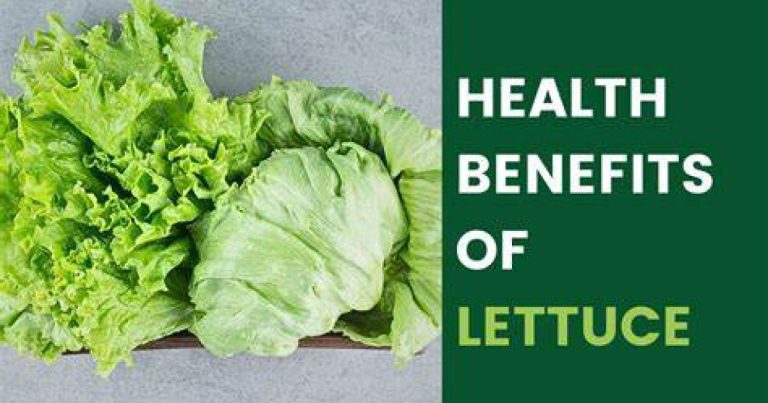
Lettuce can be easily incorporated into your daily diet, and can be used to prepare salads, juices and teas. Lettuce can also be grown at home, with just a small pot and plenty sunlight and water.
Lettuce is a vegetable that is low in calories and high in fiber, which can keep you full and lead to weight loss.
However, to lose weight, is also important to maintain a healthy diet and to exercise regularly, at least 3 times per day.
Regulating blood sugar
The fiber present in lettuce slows down the absorption of carbohydrates in the gut, which can prevent a rapid increase in blood sugar. This makes lettuce an excellent option for diabetic or pre-diabetic people.
Therefore, lettuce can be beneficial for the prevention of diabetes and insulin resistance.
Promoting eye health
Lettuce is rich in vitamin A, an important micronutrient for maintaining eye health. It can be help to prevent xerophthalmia and night blindness, as well as macular degeneration associated with age.
Preventing premature skin aging
Thanks to its antioxidant action, consuming lettuce helps to protect skin cells from damage caused by free radicals. It also contains vitamin A and E, which protects the skin from the sun’s UV rays. The vitamin C found in lettuce can also promote healing and collagen production in the body, which can reduce the development of wrinkles.
Lettuce is also rich in water, which can contribute to the skin’s overall hydration.
Maintaining bone health
Lettuce is rich in several minerals such as calcium and phosphorus, which are related to bone formation. In addition, it also contains magnesium, which plays a role in absorption and adherence by suppressing the the hormone responsible for bone reabsorption.
Preventing anemia
Because it contains folic acid and iron, eating lettuce can also prevent and treat anemia, as these are minerals related to red blood cell formation. Due to the type of iron that lettuce provides, it is important to eat vitamin C foods when consuming lettuce to ensure iron absorption.
Helping to fight insomnia
Lettuce has soothing properties that help to reduce stress and excitability of the central nervous system. It can be prepared as a tea help to combat insomnia and promote better sleep.
Exerting antioxidant action
Lettuce is rich in antioxidants, because it contains vitamin C, carotenoids, folates, chlorophyll and phenolic compounds. These prevent damage caused by free radicals and, therefore regular consumption may help to prevent chronic diseases, like cancer.
Fighting constipation
Because it is high in fiber and water, lettuce can add bulk and hydration to the stool, which can make it easier to eliminate. Therefore, lettuce is a great options for treating constipation. Check-out other laxative foods you can add to your diet to fight constipation.
Combating fluid retention
Eating lettuce on a regular basis helps to reduce fluid retention, as it contains lots of water. 100 g of lettuce, for example, has 95.9 grams of water, and therefore, it can be used to promote fluid elimination through the urine.

Your comment will appear immediately after submission.