On a quiet morning, when the sun rises over the rivers of Bangladesh, it is easy to forget how old this land is. The rivers move slowly, the villages wake up, birds fly over green fields, and life feels simple. But under this simple surface, Bangladesh holds stories that are thousands of years old. Some of these stories are so important that the whole world has agreed to protect them forever.
These places are called World Heritage Sites. UNESCO, a global organization, selects these places because they are valuable for all humanity, not just one nation. Bangladesh has three World Heritage Sites. Each one tells a different story—of nature, of faith, and of ancient learning.
This is a story of those three treasures.
The Sundarbans: Where the Forest Meets the Sea
Imagine a forest where trees grow in salty water. Imagine narrow rivers that twist like snakes through dark green trees. Imagine silence, broken only by birds, insects, and the splash of a fish. This is the Sundarbans. The Sundarbans is the largest mangrove forest in the world. It lies in the southwest of Bangladesh, touching the Bay of Bengal. Part of the forest is in India, but a large part belongs to Bangladesh.
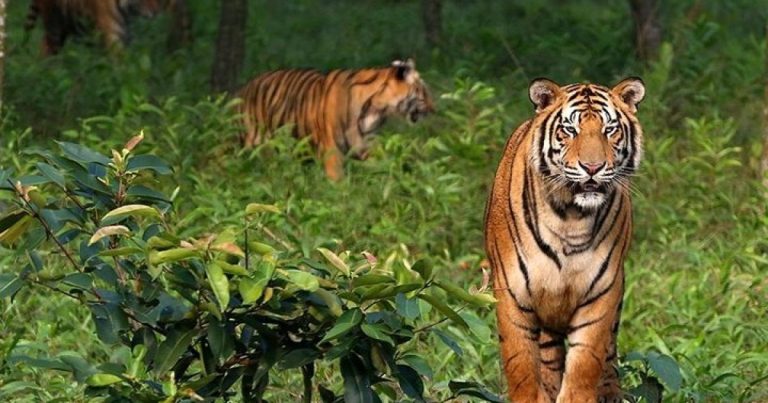
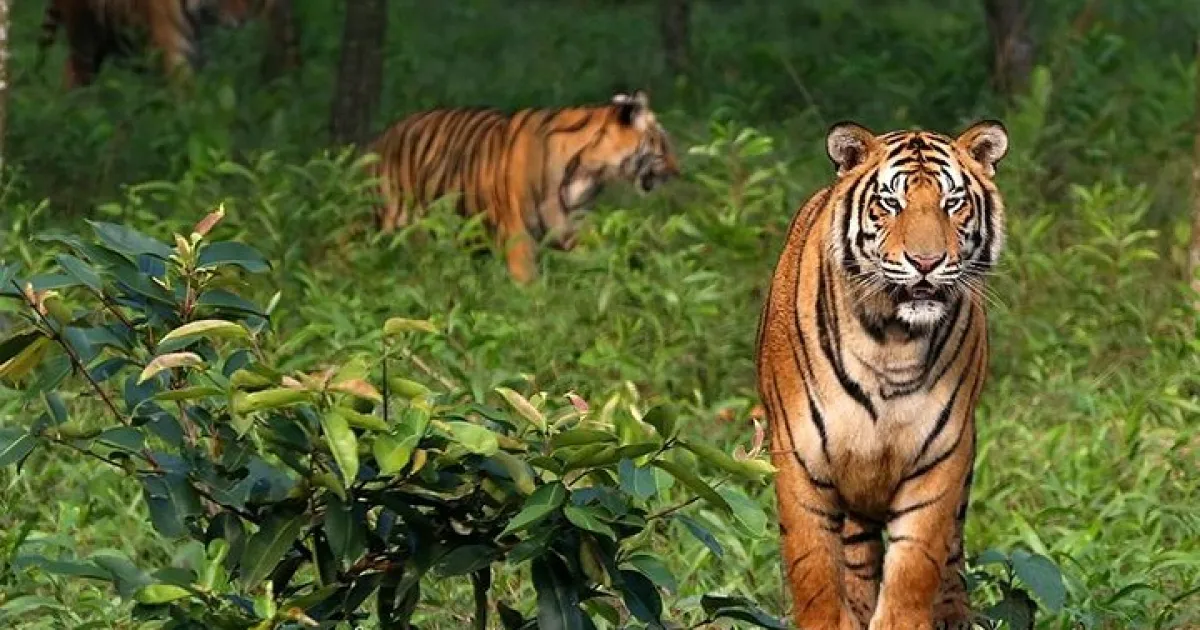
People often call the Sundarbans mysterious. The water is muddy. The roots of the trees rise like fingers from the ground. Boats move slowly through narrow canals. Sometimes fog covers everything, and the forest feels endless. The Sundarbans is famous for the Royal Bengal Tiger. These tigers are strong, silent, and rare. They swim in rivers and walk through mud and forest. The Sundarbans is one of the last places on Earth where they still live.
But tigers are not the only residents. Deer walks in groups. Crocodiles rest on riverbanks. Dolphins swim in salty rivers. Thousands of birds fly over the trees. Snakes, fish, and insects fill the forest with life. Millions of people depend on the Sundarbans. They collect honey, catch fish, and gather wood. The forest is also a shield. When cyclones come from the sea, the Sundarbans takes the first attack. The trees slow down the wind and waves. Without the Sundarbans, many coastal villages would disappear under the sea.
In 1997, UNESCO declared the Sundarbans a World Heritage Site. The world recognized that this forest is not just for Bangladesh. It is a treasure for all people on Earth.
Bagerhat: The City of Mosques
Now, travel back in time. Go to the south of Bangladesh, to a quiet town called Bagerhat. Today it is peaceful, with ponds and old brick buildings. But 600 years ago, it was a busy city. A man named Khan Jahan Ali built this city in the 15th century. He was a ruler and a religious leader. He planned the city with roads, ponds, and mosques. People came here to live, pray, and trade.
The most famous building in Bagerhat is the Shat Gombuj Mosque, or the Sixty Dome Mosque. It is made of red bricks. It has many domes and arches. Inside, the hall is large and cool, even on hot days. The mosque is simple, but it feels powerful. When you stand inside, you feel the history. You can imagine people praying there hundreds of years ago. You can imagine the city full of life—children playing, scholars teaching, travelers resting.
Bagerhat is important because it shows how Muslim cities were built in Bengal. It shows the art, architecture, and daily life of medieval times. In 1985, UNESCO listed Bagerhat as a World Heritage Site. The world recognized it as a unique example of Islamic architecture and urban planning.
Paharpur: The Monastery of Knowledge
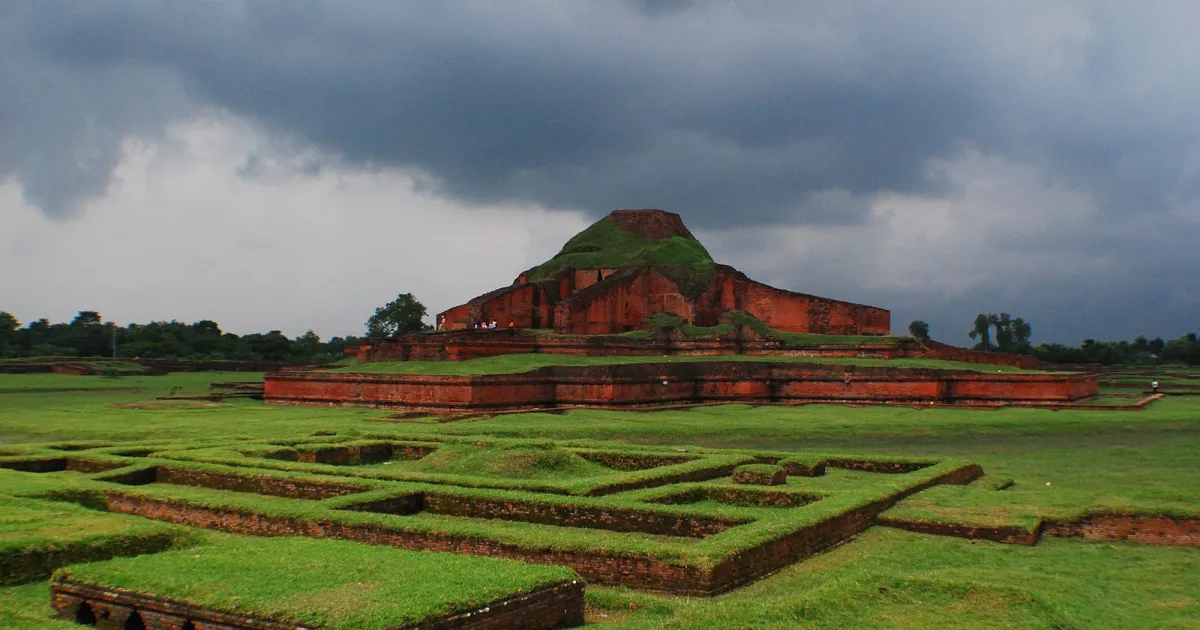
Far in the north, in Naogaon district, there is a place called Paharpur. The land is flat and quiet. Farmers work in fields. Children run along dusty roads. But under this calm surface lies an ancient center of learning. More than 1,200 years ago, during the Pala Empire, a great Buddhist monastery was built here. It is called Somapura Mahavihara. It was one of the largest monasteries in South Asia.
Monks came from China, Tibet, Nepal, and other parts of India. They studied religion, science, art, and philosophy. Paharpur was like a university of the ancient world. The monastery has a large central temple. Around it, there are many small rooms where monks lived. The walls are decorated with terracotta plaques. These plaques show animals, flowers, people, and religious stories. They are small, but full of detail and beauty.
When you walk through the ruins, you can imagine monks walking in silence, reading texts, discussing ideas, and teaching students. You can feel that this place was once full of knowledge and wisdom. In 1985, UNESCO declared Somapura Mahavihara a World Heritage Site. It is recognized as a unique example of Buddhist architecture and culture.
World Heritage Sites are not just tourist attractions. They are messages from the past. They teach us how people lived, how cities were built, how faith shaped society, and how nature protects life. For Bangladesh, these sites are a source of pride. They show that this small country has played a big role in human history. They attract tourists, researchers, and students from around the world. But these places are also fragile. Forests can disappear. Old buildings can collapse. Ancient art can fade. Protecting these sites is our responsibility.
Bangladesh is a small country on the world map. But its heritage is vast. The Sundarbans tells the story of nature’s power. Bagerhat tells the story of faith and medieval cities. Paharpur tells the story of learning and ancient wisdom. These places belong to Bangladesh, but they also belong to the world. They remind us that history, culture, and nature are deeply connected. They remind us that what we protect today will teach people 100 years from now. As the rivers flow and the forests breathe, the mosques stand, and the ruins stay silent, these World Heritage Sites continue to tell their stories—waiting for us to listen.

Your comment will appear immediately after submission.