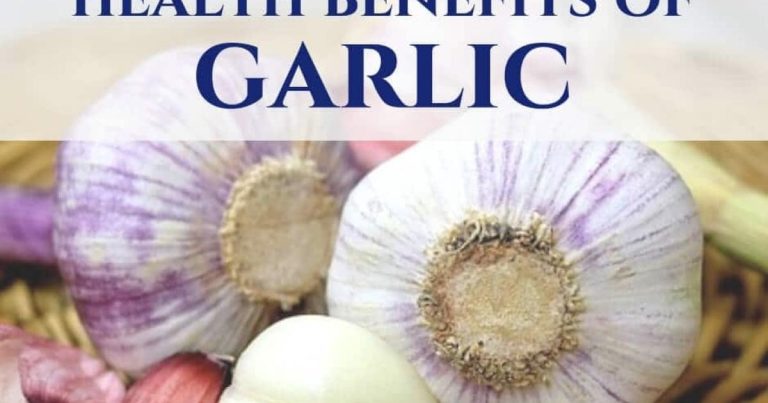
Garlic may help support heart health, improve cholesterol levels, boost immunity, and offer antioxidant protection — all backed by scientific research.
Understanding the health benefits of garlic is valuable for anyone focused on nutrition, cardiovascular wellness, or preventive health. Rich in bioactive sulfur compounds like allicin, garlic has been studied extensively for its effects on blood pressure, cholesterol, immune response, and oxidative stress.
Garlic (Allium sativum) is a bulbous plant belonging to the Amaryllidaceae family, closely related to onions, leeks, and shallots. It has been used for centuries as both a culinary ingredient and a natural health-supporting food. Native to Central and South Asia, garlic is valued for its distinct flavor and its concentration of bioactive sulfur compounds, such as allicin, ajoene, and diallyl sulfides, which are responsible for many of its studied benefits
When garlic is crushed, chopped, or chewed, the enzyme alliinaseconverts alliin into allicin — a short-lived but powerful compound with antioxidant and antimicrobial properties. This reaction underlies much of garlic’s biological activity and contributes to its role in supporting cardiovascular, metabolic, and immune function.
Garlic is available in several forms:
- Fresh cloves (raw or cooked)
- Aged garlic extract (AGE) – odorless, stabilized, and rich in S-allyl cysteine
- Garlic oil or powder – used in cooking or standardized supplements
Garlic also provides small amounts of zinc, potassium, magnesium, and various flavonoids and saponins that may contribute to its antioxidant potential.
Key Takeaways
- Garlic is rich in sulfur-containing compounds that may support cardiovascular, immune, and metabolic health.
- It provides meaningful amounts of vitamin B6, vitamin C, manganese, and selenium, nutrients involved in energy metabolism and antioxidant defense.
- Preparation matters — crushing or chopping garlic and allowing it to rest for 10–15 minutes helps maximize allicin formation, enhancing its potential benefits.
Garlic is more than a flavorful kitchen staple — it’s a nutrient-dense food packed with sulfur compounds that have been widely researched for their potential health benefits. Modern studies suggest that regular garlic intake may support cardiovascular, metabolic, and immune health when incorporated into a balanced diet.
Several controlled human trials have shown that garlic supplementation may help maintain healthy blood pressure levels, especially in individuals with mild hypertension. Garlic’s active compounds appear to relax blood vessel walls and improve endothelial function.
Garlic is rich in antioxidants that help neutralize free radicals and protect cells from oxidative stress—a key factor in aging and chronic disease. Its sulfur compounds, particularly allicin and S-allyl cysteine, activate the body’s natural defense enzymes.
Garlic is widely recognized for supporting immune defense. It provides sulfur compounds that help modulate immune cell activity and may reduce the frequency of common seasonal illnesses.
A double-blind, placebo-controlled trial in the Journal of Nutritionfound that participants who consumed aged garlic extract experienced fewer cold and flu episodes and shorter illness duration compared with the placebo group.

Your comment will appear immediately after submission.