There is a common myth among students that rote memorization is the only way to score well in Biology. However, the reality is quite the opposite. Learning without true understanding is a recipe for failure, regardless of the subject. Biology is a visual and logical science; if you treat it like a list of words to be memorized, you are missing out on its beauty and complexity.
Don’t panic! Mastering biological terms and concepts isn’t about how much you can repeat; it’s about the techniques you use to process information. Here are three game-changing techniques to help you master Biology:
Technique 1: Draw While You Read
Biology is a lot like Mathematics. You might understand a math problem by looking at it, but you can’t solve it unless you practice. Similarly, reading a biological process only provides a brief memory.
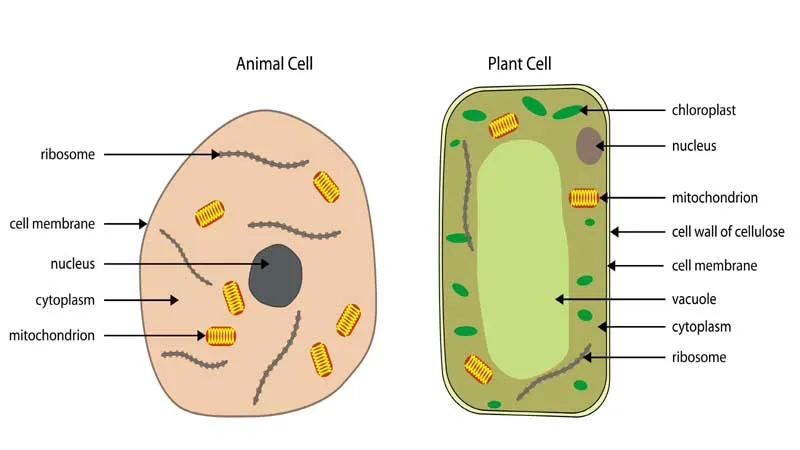
- The Strategy: As you read about a cell, an organ, or a cycle, grab a pencil and draw it.
- Why it works: When you draw a structure and manually identify its parts, your brain creates a visual map. This multi-sensory approach (reading + drawing + labeling) makes the information stick in your long-term memory.
Technique 2: The Translation Method
Most of us study in our native language, which our brain finds “ordinary.” To make information stand out, you need to challenge your brain.
- The Strategy: While reading a topic in your native language, try to translate the core concepts into English or another language you are learning.
- Why it works: This mental translation forces your brain to work harder and engage more deeply with the material. This “extraordinary” effort helps in better retention and clearer conceptualization.
Technique 3: Dive into the Details (The “Why” Factor)
It might sound harsh, but there is no shortcut to excellence. Reading a tiny summary or a short explanation often leaves gaps in your knowledge, making the information feel like a puzzle with missing pieces.
- The Strategy: If a textbook explanation feels incomplete, don’t stop there. Use tools like Google, ChatGPT, or Gemini to search for the basics and more in-depth details.
- Why it works: When you understand the “why” and “how” behind a process, you don’t need to memorize the “what.” In-depth knowledge makes your answers unique and extraordinary compared to students who only follow the textbook.
Conclusion: Understanding is Your Superpower
Biology is the study of life, and life is not a list of definitions. By visualizing through drawings, challenging your brain with translations, and seeking the root of every concept, you will find that “memorization” happens naturally. Stop rote learning today and start understanding!
Frequently Asked Questions
What if I am not good at drawing?
You don’t need to be an artist! Biological drawings are about accuracy and labeling, not beauty. Simple sketches that correctly identify parts are enough to help your brain learn.
Does this method take more time?
Initially, yes. But it saves massive amounts of time during revisions. Because you understood the concept once, you won’t have to re-learn it from scratch before every exam.
Can these techniques be used for other subjects?
Absolutely. Visualization and seeking in-depth details are universal learning strategies that work for Chemistry, Physics, and even History.











Your comment will appear immediately after submission.