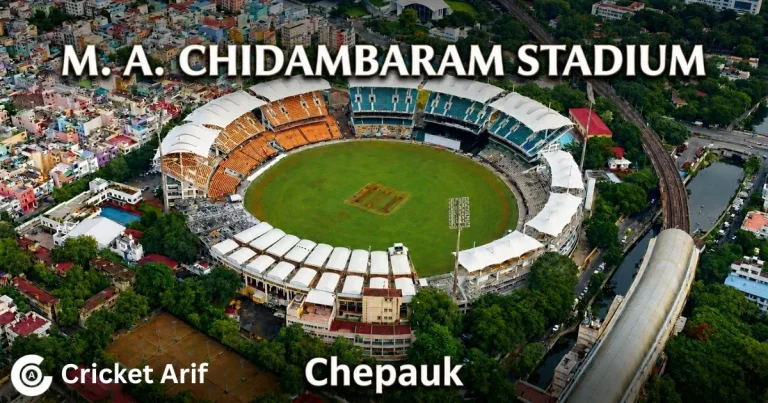
Imagine a gallery packed with thousands of people wearing yellow jerseys, roaring in unison, and Mahendra Singh Dhoni standing right in the middle of the field! Located near the shores of Marina Beach in Chennai, the M. A. Chidambaram Stadium is globally better known as ‘Chepauk.’ It is the second oldest cricket stadium in India, where a century of history and emotion is blended into every grain of dust.
Do you know why the galleries of this stadium are called the home of the most disciplined and cricket-intelligent spectators in India? Or why the Chepauk pitch is considered a paradise for spinners? In today’s special report, we will discuss the unknown facts of the M. A. Chidambaram Stadium, its historical records, and the story of how it became the invincible fortress of Chennai Super Kings...
Location and Full Identity
The stadium is located in the very heart of Chennai, touched by the salty breeze of the sea:
- Country: India
- State: Tamil Nadu
- City: Chennai
- Specific Area: It is located right next to Marina Beach in the Chepauk area of Chennai.
- Transport: The Chepauk MRTS station and metro rail facilities are located very close to the stadium for spectators.
Another Popular Name of the Stadium:
Although its name in official records or on paper is the M. A. Chidambaram Stadium, it is widely known in the cricket world and among the general public as “Chepauk Stadium” or simply “Chepauk.” It is named after the local area, ‘Chepauk.’ Whenever you watch a cricket match or listen to commentary, this field is referred to as Chepauk.
Spectator Capacity
- Capacity: Currently, 38,000 spectators can watch a match together in this stadium.
- Specialty: After renovations, the view of the field is highly clear from every stand of the stadium, and special arrangements have been made for airflow.
Size and Massive Structure
This stadium is a unique blend of heritage and modernity.
- Design and Shape: The stadium is circular in shape.
- Specialty: The roofs of its stands look much like a special type of sailing boat, symbolizing the maritime culture of Chennai. Since there are no pillars here, spectators can enjoy the game without any obstruction.
History of Establishment and First Match
It is one of the oldest and most historic cricket venues in India.
- Year Established: The stadium was established in 1916 (it was part of the seventeenth Chepauk Palace grounds of Madras).
- Naming: It was officially named after the former President of the BCCI, M. A. Chidambaram.
- First Test Match: The international Test journey of this ground started with a match between India and England on February 10–13, 1934.
India’s Historic Victories and Important Records
Chepauk or Chepauk Stadium has been a witness to many glorious and rare events in Indian cricket:
- India’s First Test Win (1952): A long time after its establishment, India achieved their first-ever Test history victory on this ground against England in 1952.
- Historic Tied Test (1986): The second ‘Tied’ Test match in cricket history was played on this ground between India and Australia.
- Virender Sehwag’s Triple Century: Sehwag’s epic innings of 319 runs against South Africa in 2008 came on this ground.
- Saeed Anwar’s 194: In 1997, Pakistan’s Saeed Anwar scored 194 runs against India, setting the then world record in ODI cricket.
The Secret of Pitch and Soil
- Soil Type: The pitch at Chepauk is primarily made of a mixture of red soil and sand.
- Characteristics: It is historically a paradise for spinners. As the game progresses, the pitch begins to break up more, and spinners get dangerous turn. However, the new pitches also offer plenty of runs for batters.
Drainage System
The drainage system here has been designed keeping in mind the humid weather and sudden rains of Chennai.
- Water Drainage: Advanced pipeline technology is used here, which removes surface water from the field rapidly.
- Ready-to-Play Time: After rainwater falls, it makes the field match-ready again in just 30 to 45 minutes.
IPL Home Ground
- Home Team: It is the primary fortress for Chennai Super Kings (CSK), one of the most successful and popular teams in the IPL. Under the leadership of Mahendra Singh Dhoni, this Chepauk Stadium has turned into Chennai’s invincible fortress.
Quick View of Key Facts
| Feature | Detailed Information |
| Official Name | M. A. Chidambaram Stadium |
| Popular Name | Chepauk Stadium / Chepauk |
| Construction Cost | 314 Crore Rupees |
| Location | Chennai, Tamil Nadu, India |
| Spectator Seats | 38,000 |
| Year Established | 1916 |
| First Match | India vs England (February 10–13, 1934) |
| IPL Home Team | Chennai Super Kings (CSK) |
| Soil Type | Red Soil (Spin Friendly) |
| Drainage System | 30–45 minutes |
Frequently Asked Questions (FAQ)
Who has the most runs at Chepauk Stadium?
The legendary Sunil Gavaskar has scored the most runs on this ground in Test cricket (1,018 runs).
When was the first ODI match played here?
ODIs started here on October 9, 1987, with the Reliance World Cup match between India and Australia.
What is the meaning of the name ‘Chepauk’?
In the Tamil language, the word ‘Chepauk’ originates from the name of the local area, which was historically part of the Nawab’s palace grounds.
What is the full name of this stadium?
The full name of this stadium is the Muthiah Annamalai Chidambaram Stadium.
Conclusion:
Chepauk Stadium is not just an architectural structure of bricks and stones; it is the immortal witness to the emotion, heritage, and yellow storm of Indian cricket. The turn of the red soil and the ‘Whistle Podu’ madness of the spectators have made Chepauk a unique destination for every cricket lover in the world. If you want to feel the true spirit of cricket and the magical aura of the galleries, this historic fortress in Chennai is an ideal place for you.







Your comment will appear immediately after submission.