What Happens to Your Body When You Eat Beets Regularly
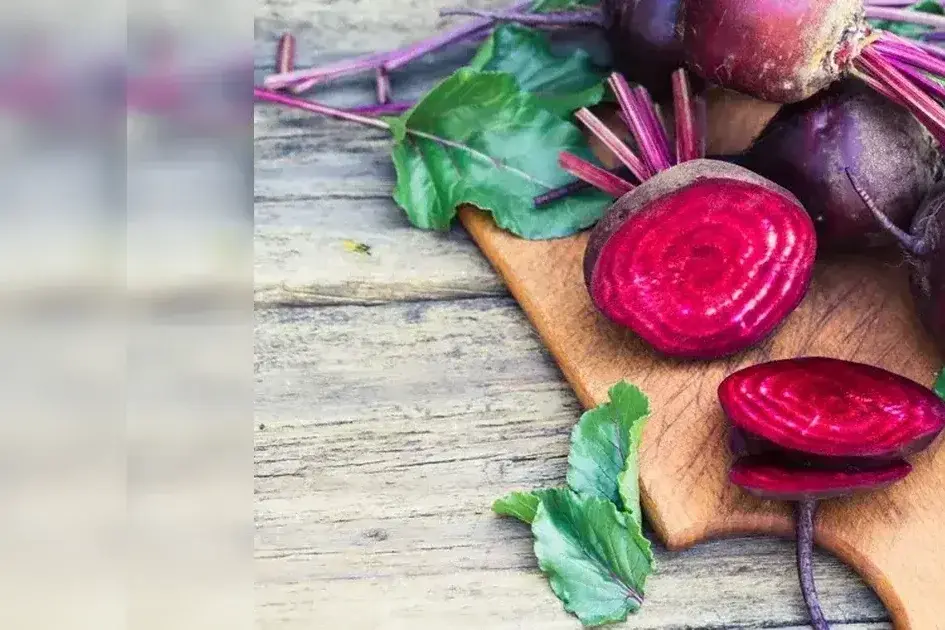
Eating beets regularly can lead to numerous health benefits, including lower blood pressure and reduced inflammation. However, if you have kidney stones, beets may not be suitable for you.

1. Your Blood Pressure Decreases
Nitrates in beets are beneficial compounds that your body converts into nitric oxide. This process helps relax and widen blood vessels, effectively lowering blood pressure.
Managing blood pressure is important for heart health, as chronic high blood pressure is a risk factor for heart disease
2. You Have Less Inflammation
Eating beets can help manage inflammation, which is linked to many chronic diseases. Adding anti-inflammatory foods like beets to your diet may reduce inflammation.3
Beets are rich in pigments called betalains, which have been studied for their potential to reduce inflammation.45 In one study, participants who drank 250 milliliters of beetroot juice daily for two weeks had a significant drop in inflammatory markers.
3. Your Digestive Health Improves
Healthy gut bacteria are important for overall health.7
Eating a fiber-rich diet is one of the best ways to support health gut bacteria. Fiber is found only in plant-based foods like beets. Many adults in the U.S. do not meet the recommended daily intake of fiber, which is about 30 grams.
A half-cup serving of boiled, sliced beets contains around 2 grams of fiber.9 Similarly, cooked beet greens provide 2 grams of fiber per half-cup (72 grams) serving.
4. Your Brain Health Gets a Boost
The nitrates in beets support brain health. This is especially important as many mental functions naturally decline with age, but eating a nitrate-rich diet can offer protective benefits.
As the nitrates dilate and relax blood vessels to lower blood pressure, they also help increase blood circulation and oxygen transport to the brain.4 Some research has found that beet juice helps increase blood flow to the frontal lobe, the part of your brain responsible for working memory and decision-making.
5. Your Immune System Improves
Eating a variety of colorful fruits and vegetables, such as beets, is a great way to support your natural immunity. Beets are full of antioxidants that help protect cellular health and anti-inflammatory compounds that benefit your immune health.
There’s also evidence that some of the compounds in beets may have anticancer properties, suggesting that they benefit immune function
6. Your Risk for Heart Disease and Stroke Decreases
Foods high in dietary nitrates, such as beets, promote increased blood flow by widening and relaxing blood vessels. This helps lower blood pressure. Research suggests that nitric oxide may reduce the risk of heart attacks and strokes.
7. Your Stamina Increases
Endurance athletes consume beets and beet juice to help increase their athletic performance and stamina.1415 This is due to the effects of dietary nitrates and their conversion to nitric oxide in the body.
Evidence shows that nitrates help relax and dilate blood vessels, increasing blood flow and oxygen to your heart, brain, and other organs and tissues. Nitrates also support how efficiently your mitochondria (cells’ energy source) function during strenuous activity.
The best effects occur when beets or beet juice are consumed within two hours of activity when blood nitrate levels peak.
What Nutrition Do Beets Provide?
Beets are a nutritious root vegetable that offers many health benefits. A 4-ounce (half-cup) serving of sliced, boiled beets provides the following nutrition:9
- Calories: 37
- Protein: 1.4 grams (g)
- Total Fat: Less than 1 g
- Total Carbohydrates: 8.5 g
- Fiber: 1.7 g
- Total Sugar: 7 g
- Calcium: 14 milligrams (mg)
- Iron: 0.7 mg
- Folate: 68 micrograms (mcg)
- Manganese: 0.3 mg
- Potassium: 259 mg
- Magnesium: 20 mg
- Vitamin C: 3 mg

Recommended for You
-
ARTICLE

The Secret Behind Formal Letters In Devided Countries Of Indian Subcontinent.
ArabiJarin
-
ARTICLE

WordPress SEO for Beginners
Enamul Hossain Shaikh
-
ARTICLE

Best Passive Income Ideas for Beginners in 2026
Enamul Hossain Shaikh -
ARTICLE

5 Daily Habits That Will Transform Your Life in 30 Days
JARIN TASNIM PUSHPITA
-
ARTICLE

Best Creator Economy Business Ideas
Nazibur
-
ARTICLE

AI Tools for Non‑Techies in 2025: Complete Beginner’s Guide to Using AI Without Tech Skills.
smart life skills
Your comment will appear immediately after submission.