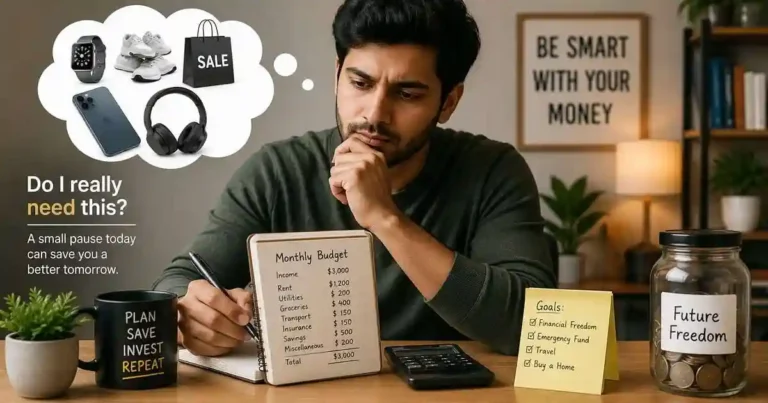
Have you ever gone shopping for one item and returned home with five? Or added something to your online cart simply because it was on sale, even though you had no real use for it? If your answer is yes, you’re not alone. Understanding the psychology of spending helps explain why intelligent people often make emotional purchasing decisions that don’t always align with their financial goals.
Many of us believe we spend money logically. In reality, our buying decisions are often influenced by emotions, habits, advertising, and social pressure rather than actual need. Once we understand these hidden influences, it becomes much easier to control unnecessary spending and make better financial choices.
Spending Is More Emotional Than We Realize
Most purchases are not based purely on logic. Instead, they are often connected to how we feel at a particular moment.
Think about the last time you bought something unexpectedly. Were you celebrating an achievement? Feeling stressed after work? Bored during the weekend? These emotions can quietly influence our decisions.
Shopping creates a sense of excitement because our brain releases dopamine—the chemical associated with pleasure and reward. That feeling is enjoyable, but it is usually temporary. Once the excitement fades, we are often left with less money and another item we didn’t truly need.
Recognizing this emotional connection is the first step toward developing healthier spending habits.
The Influence of Advertising
Modern advertising is designed to do much more than introduce products. Its real purpose is to create desire.
Instead of focusing only on product features, advertisements often sell a lifestyle. A watch isn’t just a watch—it represents success. A new smartphone symbolizes innovation and status. Even a simple cup of coffee is marketed as an experience rather than a drink.
Companies invest heavily in understanding consumer behavior because emotions sell better than facts. This is why advertisements often make us imagine how our lives might improve after making a purchase.
The product itself may not change our life, but the emotional promise behind it encourages us to buy.
Social Media and Comparison Spending
Social media has changed the way people think about money.
Every day we see influencers sharing new gadgets, fashionable clothing, luxury vacations, and beautifully decorated homes. Although much of this content is entertaining, it can also create unrealistic expectations.
Without realizing it, we begin comparing our everyday lives with carefully selected highlights from someone else’s life.
This comparison often leads to unnecessary spending.
Instead of asking, “Do I need this?” we start asking, “Why don’t I have this?”
The difference may seem small, but it completely changes the way we make financial decisions.
Why Small Purchases Matter
Many people worry about large expenses while ignoring small daily purchases.
A coffee here, an online subscription there, and a few impulse purchases each week may not seem significant. However, over months or years, these small expenses can quietly consume a large portion of your income.
This doesn’t mean you should never enjoy small pleasures. The goal is simply to become more aware of where your money is going.
Tracking expenses for a month often reveals surprising spending patterns that most people never notice.
Practical Ways to Control Spending
Improving your financial habits doesn’t require giving up everything you enjoy. Instead, focus on becoming more intentional with your purchases.
Here are a few practical strategies:
- Wait 24 hours before buying non-essential items.
- Create a shopping list and stick to it.
- Avoid browsing online stores when you’re bored.
- Set a monthly budget for entertainment and shopping.
- Unsubscribe from promotional emails that encourage impulse purchases.
- Save first, then spend what remains.
These habits may appear simple, but they can significantly reduce unnecessary spending over time.
A Different Way to Think About Money
One idea that has helped many financially successful people is viewing every purchase as a trade-off.
Instead of asking, “Can I afford this?” ask yourself, “Is this the best use of my money?”
That simple question encourages thoughtful decision-making.
Sometimes the answer will still be yes, and that’s perfectly fine. Other times, you’ll realize the money could be better used for savings, investing, or achieving a larger financial goal.
Changing the way you think about spending is often more powerful than simply trying to spend less.
Final Thoughts
Understanding the psychology of spending is not about feeling guilty every time you buy something. It’s about recognizing the invisible factors that influence your financial decisions.
Emotions, advertising, social comparison, and habits all play a role in how we spend money. The more aware you become of these influences, the easier it is to make choices that support your long-term financial well-being.
Financial success isn’t built on avoiding every purchase. It’s built on making intentional decisions that align with your priorities. The next time you’re tempted to buy something, pause for a moment and ask yourself one simple question: Do I truly need this, or am I simply responding to how I feel right now?
That brief pause could save you far more than money—it could help build healthier financial habits for years to come.
Frequently Asked Questions
Why do people buy things they don’t need?
Emotions, advertising, social pressure, and the desire for instant gratification often influence buying decisions more than actual need.
What is emotional spending?
Emotional spending is purchasing items to improve your mood, reduce stress, or celebrate achievements rather than because the item is necessary.
How can I stop impulse buying?
Wait at least 24 hours before making non-essential purchases, create a budget, and avoid shopping when you’re feeling emotional or bored.












Your comment will appear immediately after submission.