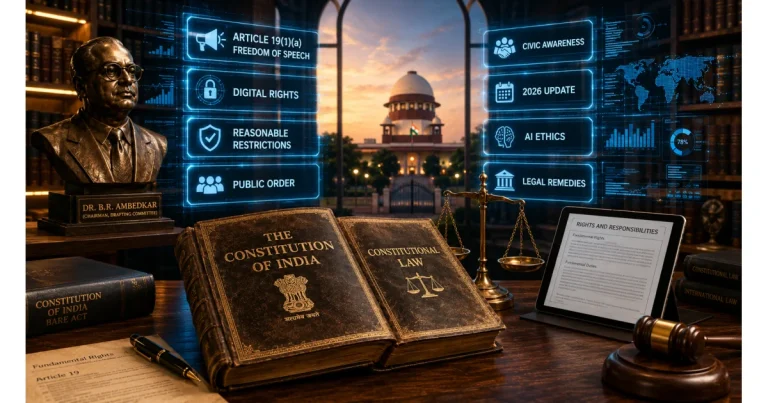
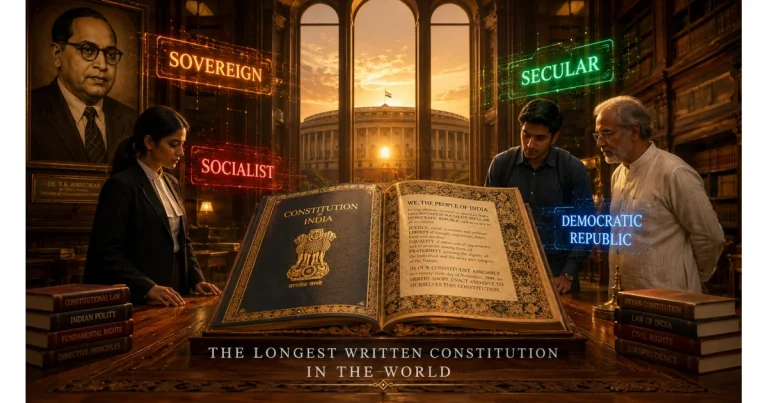
The Constitution of India is far more than a mere legal document; it is the cornerstone of every citizen’s liberty, dignity, and security. In today’s digital age, individuals are expressing their opinions on social media, YouTube, and various online platforms more than ever before in history. However, this surge in digital expression has also brought a significant rise in legal complexities, misinformation, digital harassment, and widespread confusion regarding the true extent of Freedom of Speech.
In this article, we delve deep into Article 19 of the Indian Constitution, exploring the authentic meaning of free speech, its constitutional limitations, and the realities of the digital era. This is not just an informative article; it is a long-term educational guide designed to remain relevant and authoritative for years to come.
Understanding Freedom of Speech — Explained Simply
Freedom of Speech is a fundamental constitutional right that empowers a citizen to express their thoughts, opinions, beliefs, and information freely. This right is formally recognized and protected under Article 19(1)(a) of the Constitution of India.
In practical terms, this means you have the right to:
- Express Your Opinions: Freely voice your thoughts on any subject.
- Constructive Criticism: Challenge injustice or provide critical feedback on public policies.
- Share Information: Engage in the exchange of ideas and discuss social or political issues.
- Peaceful Advocacy: Present your stance or perspective on various matters in a non-violent manner.
Crucial Note: It is vital to remember that this freedom is not absolute or “limitless.” In a civilized democracy, the security of the state, the harmony of society, and the fundamental rights of other citizens are equally significant and must be balanced with individual expression.
Article 19 of the Indian Constitution: A Detailed Breakdown
Article 19(1)(a) — Freedom of Expression
Under this provision, every Indian citizen is granted the fundamental right to speak, write, publish, and disseminate their opinions freely. It is often described as the “Lifeblood of Democracy.” Without the ability to voice individual perspectives, truth remains suppressed, and the democratic process becomes stagnant.
Reasonable Restrictions
While the Constitution grants extensive freedom, it also prescribes specific boundaries. The right to free speech is not a license for chaos; therefore, the State can impose “Reasonable Restrictions” to maintain social harmony. The State may intervene in the following interests:
- National Security & Public Order: To prevent threats to the sovereignty of the nation and ensure the safety of its citizens.
- Defamation & Contempt of Court: To protect an individual’s reputation from false accusations and maintain the sanctity of the judiciary.
- Preventing Communal Hatred & Incitement to Violence: To curb speeches that fuel religious animosity or provoke violent actions within society.
The New Reality and Challenges of Free Speech in the Digital Age
In the past, expressing one’s opinion was largely limited to traditional media like newspapers or television. Today, a single smartphone provides every individual the platform to speak to the entire world. Facebook posts, YouTube videos, and blog articles are now integral parts of modern expression. However, in the digital landscape, a piece of misinformation can reach millions within minutes. This rapid reach makes responsible expression more critical now than ever before.
Precautionary Steps for Social Media Usage
To navigate the digital world safely and legally, citizens should follow these essential guidelines:
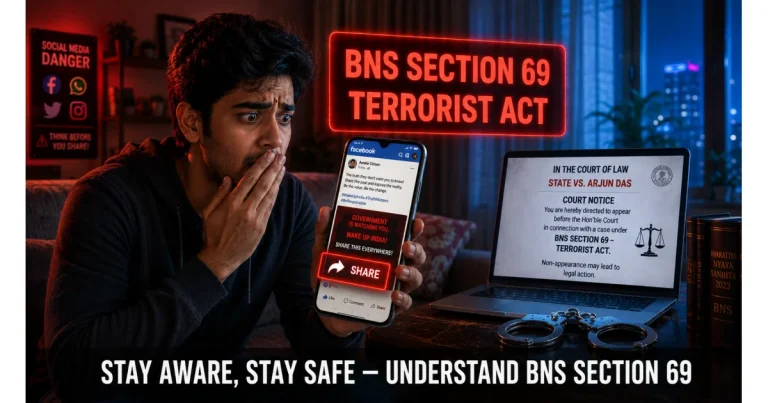
- Fact-Checking: Sharing fake news or manipulated (edited) videos can lead to serious legal consequences. Always verify the authenticity of information before hitting the ‘share’ button.
- Avoiding Personal Attacks: While constructive criticism is a protected right, crossing the line into personal insults or character assassination can fall under the legal definition of Defamation.
- Preserving Digital Records: In cases of online harassment, cyberbullying, or threats, it is absolutely vital to save evidence by taking screenshots and preserving direct links. These serve as crucial digital footprints for any legal recourse.
The Necessity of Digital Archives and Information Longevity
In the digital era, information can vanish or be manipulated with alarming speed. Therefore, maintaining a neutral, fact-based archive plays a pivotal role in preserving the truth for the future. A well-structured digital archive aims to achieve the following objectives:
- Data Integrity and Security: Ensuring that vital legal information and records available on the internet are not permanently deleted or lost.
- Enhancing Civic Awareness: Educating the general public about their fundamental rights and empowering them through accessible legal knowledge.
- Facilitating Future Research: Providing an accurate roadmap of contemporary legal evolution for researchers and the next generation.
- Evidence-Based Discourse: Preserving raw evidence—such as audio, video, or screenshots—as a permanent record to ensure that the truth remains undisputed.
Civic Protection and Legal Remedies: Your Course of Action
The Constitution of India provides robust mechanisms for the protection of its citizens. If your freedom of speech or any other fundamental right is infringed upon, you have the legal power to take the following steps:
- Preservation of Evidence: Securely save all relevant digital evidence, such as videos, audio recordings, or screenshots. These artifacts serve as the primary foundation for any legal claim.
- Seeking Legal Counsel: Consulting with an expert legal professional is the most critical step. A qualified lawyer can help navigate the complexities of the law and determine the best strategy for your case.
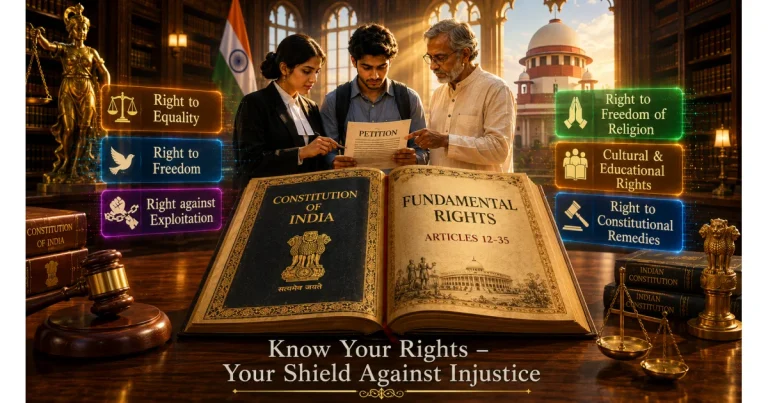
- Filing a Writ Petition: Under Articles 32 and 226 of the Constitution, citizens have the extraordinary right to approach the Supreme Court or High Courts directly to seek redressal for the violation of their fundamental rights.
Conclusion: An Informed Citizenry is the Bedrock of a Strong Democracy
The Constitution of India does not merely grant us rights; it also entrusts us with responsibilities. While Freedom of Speech is a potent right, it must be exercised with wisdom, knowledge, and accountability. In this digital era, preserving the sanctity of truth and the Constitution is the collective duty of every citizen. Ultimately, it is the informed and conscious individual who builds the foundation of a resilient and thriving democracy.
Frequently Asked Questions
Is Freedom of Speech absolute or limitless?
No. To maintain national security, prevent defamation, and curb violence, the Constitution of India imposes certain “Reasonable Restrictions.”
Is criticizing someone on social media a criminal offense?
Constructive and fact-based criticism is generally not a crime. However, making false allegations, character assassination, or using hate speech can lead to serious legal consequences.
Why is digital evidence so important?
In cases of online harassment, cyberbullying, or legal disputes, digital footprints like screenshots, recorded videos, and direct links serve as powerful evidence in a court of law.
Important Disclaimer
The information presented in this article is for educational and public awareness purposes only. The analysis provided here is based on various public domain sources and news reports. This content does not constitute final legal advice or a definitive legal judgment against any individual or organization. For specific legal issues, please consult with a qualified legal professional.



Your comment will appear immediately after submission.